
Vitamins and Nutrients for Glowing Skin
Discover the science-backed essential vitamins, minerals, and nutrients that support skin health, elasticity, and natural radiance. Learn how proper nutrition fuels your skin from within.
Vitamin C for Skin Brightening
Vitamin C is a potent antioxidant that supports collagen synthesis and helps protect skin cells from oxidative stress. This water-soluble vitamin promotes a more even complexion and luminous appearance by reducing the appearance of discoloration and supporting skin structure.
- Supports collagen production
- Powerful antioxidant protection
- Enhances skin clarity
Retinol for Skin Renewal
Retinol, a vitamin A derivative, supports natural skin renewal by encouraging cellular turnover and promoting skin elasticity. This ingredient has been extensively researched for its ability to support skin texture and maintain a youthful appearance through proper cosmetic formulation.
- Promotes cellular renewal
- Supports skin elasticity
- Refines skin texture
Hyaluronic Acid for Hydration
Hyaluronic acid is a humectant that draws moisture into the skin, supporting optimal skin hydration and plumpness. This naturally occurring compound can hold up to 1000 times its weight in water, making it essential for maintaining skin hydration and a dewy complexion.
- Deep skin hydration
- Plumping and volumizing
- Maintains moisture barrier
Peptides for Skin Firmness
Peptides are short chains of amino acids that signal skin cells to produce more collagen, supporting skin firmness and elasticity. These powerful cosmetic ingredients help maintain the skin's structural integrity and support a more resilient, youthful appearance.
- Stimulates collagen production
- Enhances skin firmness
- Supports skin resilience
Antioxidants in Cosmetics
Antioxidants like vitamin E, green tea extract, and resveratrol protect skin from environmental stressors and free radical damage. These powerful ingredients work to maintain skin's natural defenses and support protection against photoaging, keeping skin looking fresh and radiant.
- Protection against oxidative stress
- Photoaging protection support
- Maintains skin radiance
Minerals for Skin Health
Essential minerals like zinc, selenium, and iron play crucial roles in skin health and cellular function. These skin-beneficial ingredients support proper skin barrier function, maintain natural pH balance, and contribute to the overall vitality and appearance of healthy, glowing skin.
- Supports skin barrier function
- Maintains cellular health
- Promotes natural radiance
Benefits Comparison Guide
Understanding how different nutrients work together to support healthy, glowing skin. Each ingredient offers unique benefits while complementing others in a comprehensive skincare approach.
| Nutrient | Primary Benefit | Skin Concern | Best For |
|---|---|---|---|
| Vitamin C | Collagen synthesis and brightening | Dull, uneven complexion | All skin types |
| Retinol | Cell renewal and texture refinement | Fine lines and rough texture | Mature and concerned skin |
| Hyaluronic Acid | Deep hydration and moisture retention | Dryness and dehydration | Dry and sensitive skin |
| Peptides | Firmness and elasticity support | Loss of elasticity and firmness | Mature skin requiring support |
| Antioxidants | Protection and photoaging defense | Environmental damage exposure | All skin types needing protection |
| Minerals | Barrier function and cellular health | Compromised barrier and irritation | Sensitive and reactive skin |
How Skin-Beneficial Ingredients Work Together
The most effective skincare approach combines complementary ingredients that work synergistically. When vitamin C boosts collagen production and peptides strengthen skin structure, while hyaluronic acid provides hydration and antioxidants defend against damage, the result is comprehensive skin support.
Layering for Maximum Benefit
Apply water-based serums (vitamin C) before oil-based ingredients (retinol) to optimize penetration and efficacy of each product layer.
Complementary Actions
Peptides signal collagen production while vitamin C stabilizes and brightens; together they provide both structural and aesthetic improvements.
Protection and Support
Antioxidants protect skin during active renewal, while minerals maintain barrier integrity—essential for sustained skincare results.
Your 4-Step Nutrient Journey to Radiance
Building a comprehensive skincare routine that supports glowing skin requires understanding the sequence and purpose of each nutrient layer.
Hydration Foundation
Begin with lightweight hydrating products containing hyaluronic acid and water-soluble vitamins. This prepares skin to receive and maximize the benefits of subsequent nutrient layers.
- Cleanse thoroughly
- Apply hydrating toner
- Layer hydration serums
Antioxidant Protection
Apply antioxidant-rich serums featuring vitamin C, vitamin E, and green tea extract. These powerful cosmetic ingredients protect skin from environmental stressors and support radiance.
- Vitamin C serum
- Antioxidant complex
- Green tea extract
Active Renewal
Use retinol and peptide-based products to support cellular renewal and skin structure. These ingredients work to refine texture and promote skin elasticity and firmness.
- Retinol serum
- Peptide complex
- Renewal treatment
Barrier Sealing
Finish with nourishing moisturizers enriched with minerals and lipids. This essential final step locks in all nutrients and maintains skin barrier integrity for lasting results.
- Rich moisturizer
- Mineral-rich cream
- Barrier support
Pro Tip: Consistency Matters
The most important factor in any skincare routine is consistency. These nutrients work best when applied regularly and allowed to accumulate their benefits over time. Most visible improvements in skin health and appearance develop through sustained use of properly formulated products containing these essential ingredients.
Foods Good for Skin: Dietary Approach to Nutrition
While topical skincare ingredients are essential, supporting skin health from within through proper nutrition amplifies their effects. Learn which foods naturally contain vitamins for skin and other essential nutrients.
Citrus Fruits & Berries
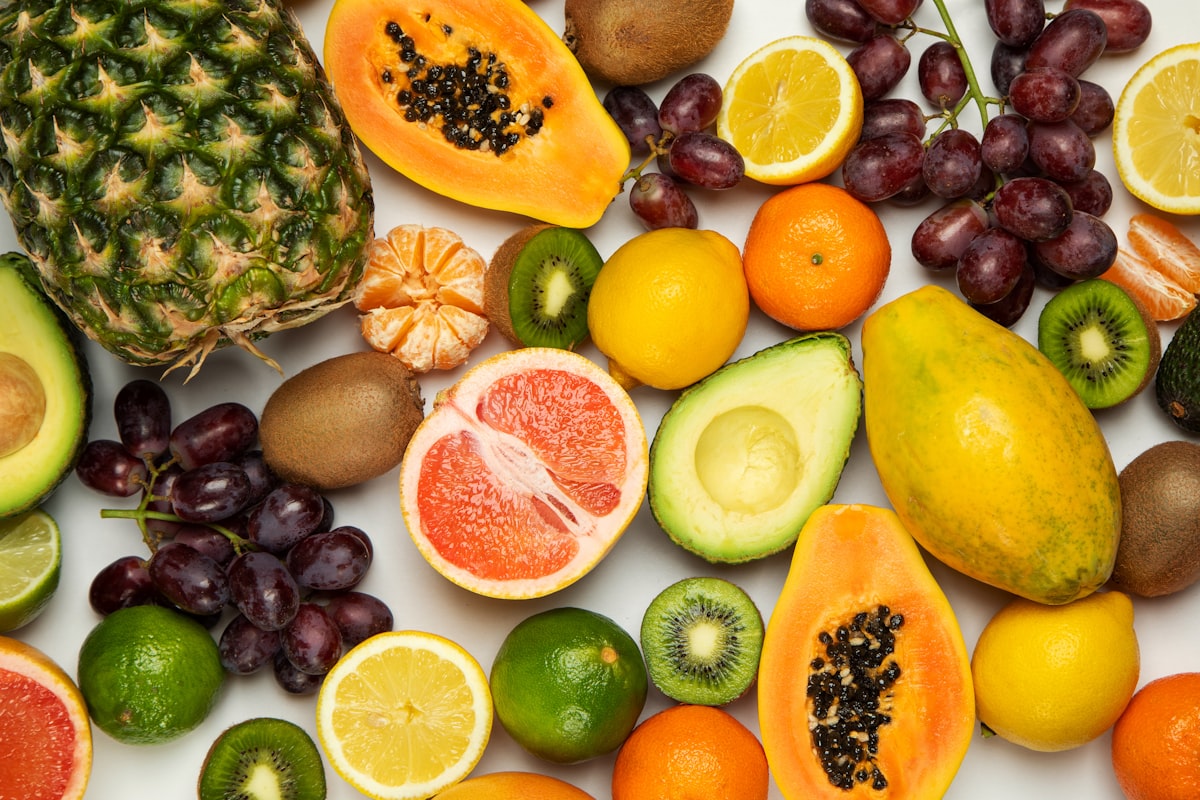
Oranges, lemons, strawberries, and blueberries are rich in vitamin C and antioxidants. These foods good for skin support collagen synthesis naturally and provide protective compounds against oxidative damage.
Key nutrients: Vitamin C, anthocyanins, flavonoids
Leafy Greens & Cruciferous Vegetables
Spinach, kale, broccoli, and cauliflower contain lutein, zeaxanthin, and sulforaphane. These powerful compounds protect skin cells from damage and support the body's natural detoxification processes for clearer, healthier skin.
Key nutrients: Lutein, sulforaphane, vitamins K and C
Fatty Fish & Omega-3 Rich Foods
Salmon, mackerel, sardines, and walnuts are packed with omega-3 fatty acids that maintain skin's lipid barrier, reduce inflammation, and promote elasticity. These essential fats support your skin from within.
Key nutrients: Omega-3 fatty acids, EPA, DHA, selenium
Nuts, Seeds & Healthy Fats
Almonds, sunflower seeds, pumpkin seeds, and avocado deliver vitamin E, zinc, and healthy fats. These nutrients strengthen skin's natural barrier, reduce dryness, and maintain a youthful glow.
Key nutrients: Vitamin E, zinc, magnesium, healthy fats
Tomatoes & Lycopene Sources
Tomatoes, watermelon, and pink grapefruit contain lycopene, a potent antioxidant that protects skin from UV damage and supports collagen integrity. Cooked tomatoes offer enhanced bioavailability.
Key nutrients: Lycopene, vitamin C, potassium
Hydrating Foods & Green Tea
Cucumbers, watermelon, and green tea provide hydration and polyphenols that support skin's moisture retention and cellular regeneration. Green tea's EGCG is particularly beneficial for reducing inflammation and promoting clarity.
Key nutrients: EGCG, polyphenols, water content, L-theanine